

Drone Security Training- Humanitarian operations
The increasing use of drones in conflict-affected and high-risk environments is changing the security landscape for humanitarian organisations. Drones may be used for observation and surveillance, but in some contexts can also present a direct threat to your staff, vehicles and facilities.
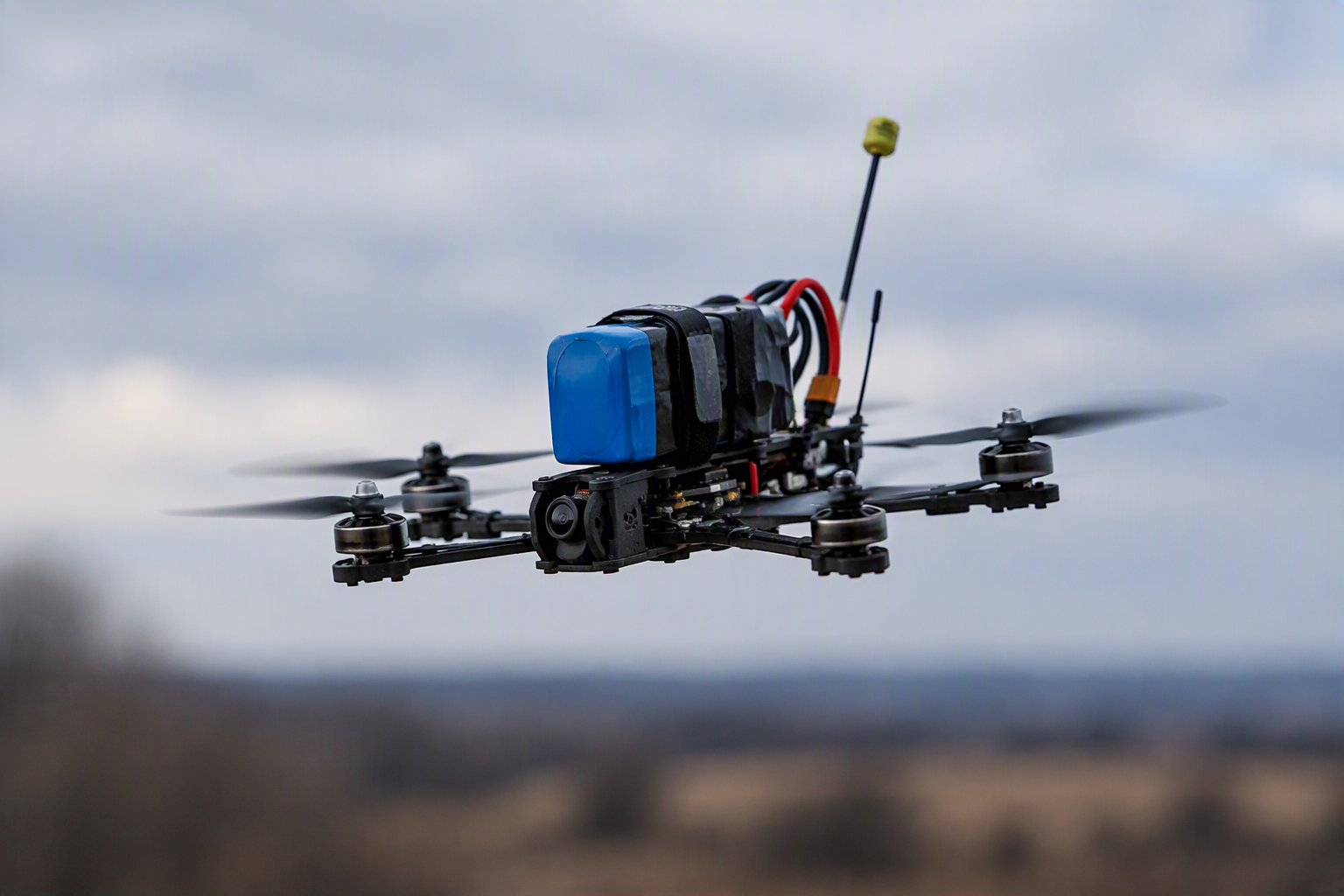
Our Drone Security Training provides humanitarian and development professionals with a practical introduction to operating safely in environments where drones may be present. The course combines essential theoretical knowledge with realistic, hands-on exercises, helping participants understand both the capabilities and limitations of drones and drone-detection technology.
Participants will learn how to recognize and assess drone-related threats, understand how their own movements and behavior may appear from the air, and consider practical measures to reduce exposure and vulnerability.
During the practical component, participants will experience drone activity from both perspectives. Using our own drones and drone-detection equipment, participants will practice identifying and responding to drone activity. A practical vehicle exercise allows participants to experience how easily movement along a road can be detected and observed from the air and to practice appropriate responses in a controlled training environment.
The emphasis throughout the course is not on turning participants into technical drone specialists, but on developing situational awareness, sound decision-making and practical protective behavior that can be applied during humanitarian operations.
TOPICS INCLUDE
- Understanding different types and uses of drones
- Current drone threats in humanitarian and conflict environments
- Drone surveillance and observation from the air
- Recognising indicators of drone activity
- Introduction to drone detection and detection equipment
- Exposure and vulnerability of personnel, vehicles and facilities
- Practical protective measures and behavioral considerations
- Decision-making when a drone is detected or observed
- Practical drone-detection exercise
- Scenario-based response and debriefing
DURATION
1 day
SPECIFICS
- Target audience: humanitarian and development professionals operating in high-risk or conflict-affected environments
- No previous technical drone knowledge required
- Combination of theory, demonstration and practical exercises
- Drone and drone-detection equipment provided
- Training can be adapted to the organization’s operational context and risk profile
- Teaching materials included
DATES
In coordination with requesting organization
LOCATION
- Monastery ‘Nieuw Sion’ in Deventer, The Netherlands
- Other location upon request
Practical exercises require a suitable outdoor training area. The safety of our staff and participants are our first priority and local- and transportation drone laws apply, which could limit our capabilities of delivering this training anywhere in the world.